





Media Center


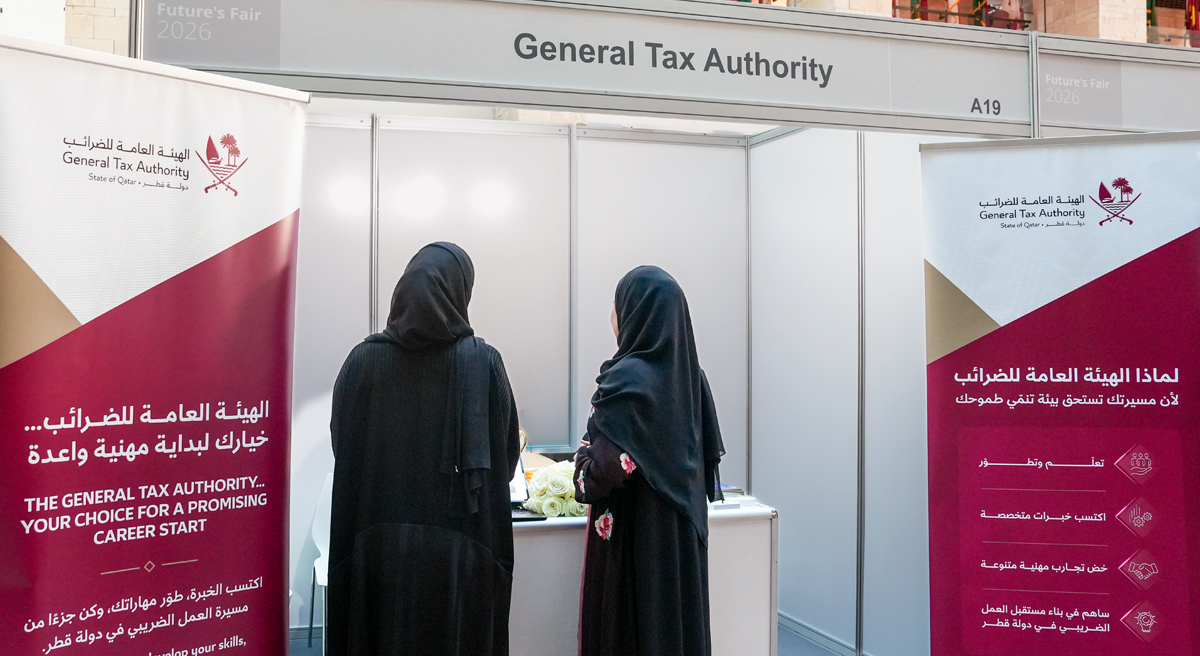
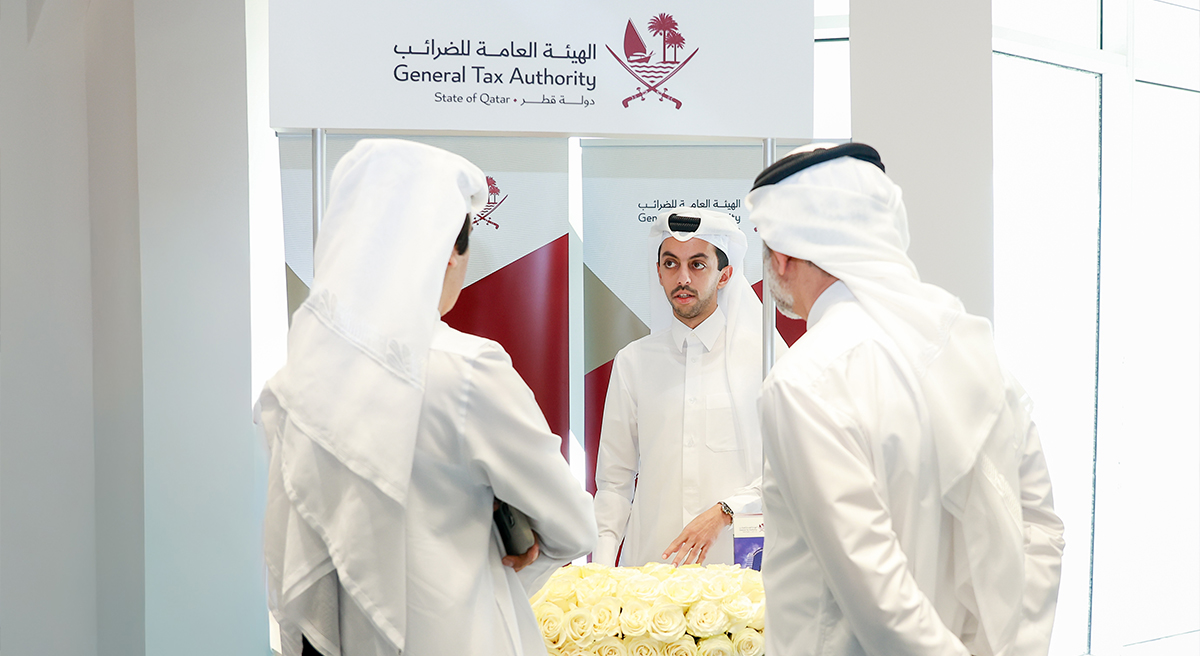
As part of its efforts to attract national talent, the General Tax Authority participated in the career fair at Carnegie Mellon University to introduce students to employment opportunities and career development pathways in the tax sector. The event provided an opportunity to engage directly with students. Representatives of the Authority outlined the career opportunities available, discussed the nature and requirements of tax-related work, and answered students’ questions about the skills and capabilities needed for professional success and how to apply the knowledge gained during their university studies in practice. The participation reaffirms the Authority’s commitment to developing national talent and enabling them to contribute to advancing tax administration and achieving its strategic objectives. This commitment includes keeping pace with developments in human resource development, in line with the State’s efforts to prepare national professionals capable of leading improvements in the public sector and contributing to a sustainable national economy.
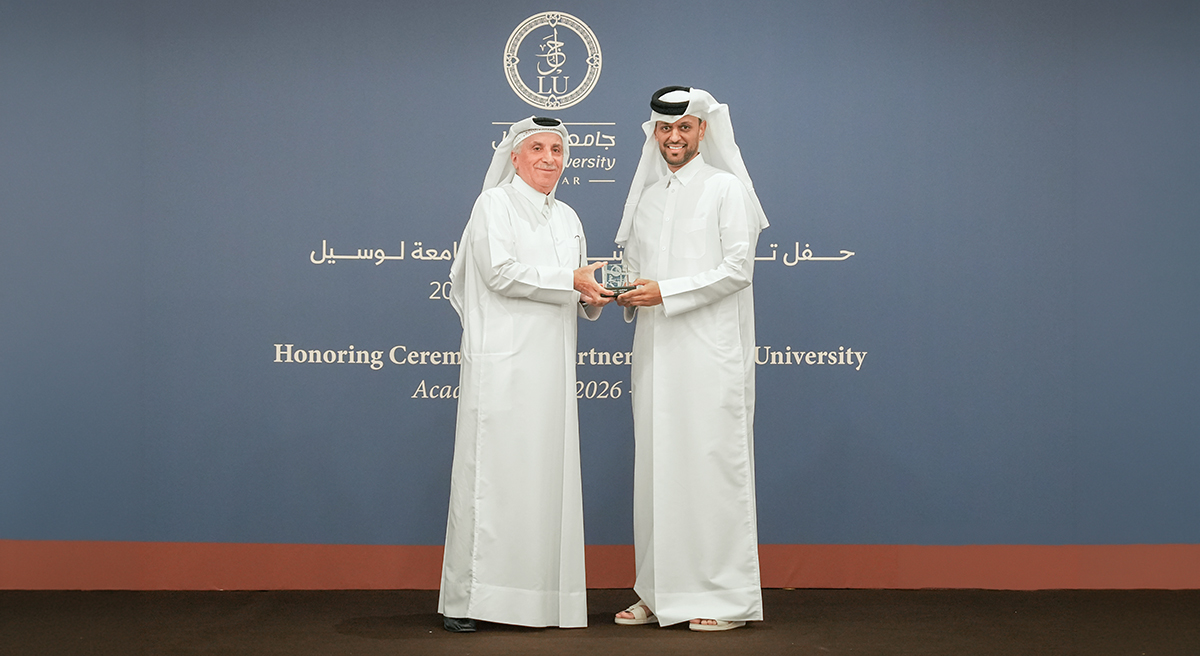
The General Tax Authority was honoured by Lusail University in recognition of its cooperation and participation in the university’s career fair. Mr Mohammed Jassim Al-Najdi, Director of Human Resources, received the award on behalf of the Authority. The recognition took place during a ceremony honouring career fair participants and field training providers for their contributions to supporting students and graduates and preparing them for the labour market. The honour follows the General Tax Authority’s participation in Lusail University’s two-day career fair, which aimed to engage with students and graduates and introduce them to the Authority’s role and career opportunities in the tax sector, helping to attract national talent. The Authority is committed to strengthening cooperation with academic institutions and building connections with students and graduates to develop national capabilities and open career pathways that enable them to contribute to the advancement of the tax sector and the national economy.
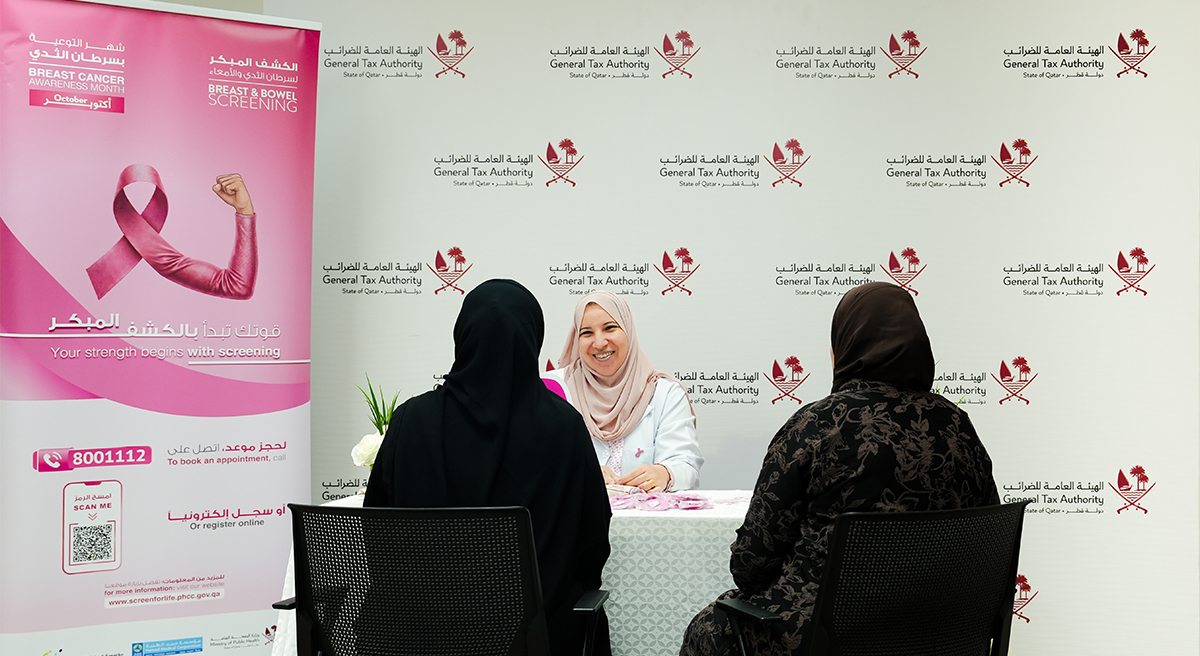
The General Tax Authority, in cooperation with the Primary Health Care Corporation, organised an awareness event for its female employees to mark Breast Cancer Awareness Month, highlighting the importance of early detection and the screening options and services available. The event featured an information booth introducing available screenings and services and their target groups. A healthcare specialist answered employees’ questions and provided advice, offering reliable information to help them make informed decisions about their health. The event reflects the Authority’s commitment to enhancing the work environment through awareness initiatives that promote health literacy and encourage preventive practices.
The General Tax Authority participated in Lusail University’s two-day career fair to engage with students and graduates and introduce them to its role and career opportunities in the tax sector, supporting its efforts to attract national talent. The Authority’s team delivered a comprehensive presentation covering employment opportunities and career development pathways within the Authority. It highlighted the Authority’s motivating work environment, which encourages creativity and excellence and helps develop national talent to contribute effectively to Qatar’s economy. The event provided an opportunity to engage directly with students and graduates and answer their questions about the nature of work at the Authority and relevant fields of study, helping them gain a clearer understanding of their career paths and prepare to enter the labour market. This participation reflects the Authority’s commitment to introduce the tax sector as a promising career field and encouraging students and graduates to explore the opportunities it offers. It also contributes to developing qualified national talent that can play a role in advancing the tax system.
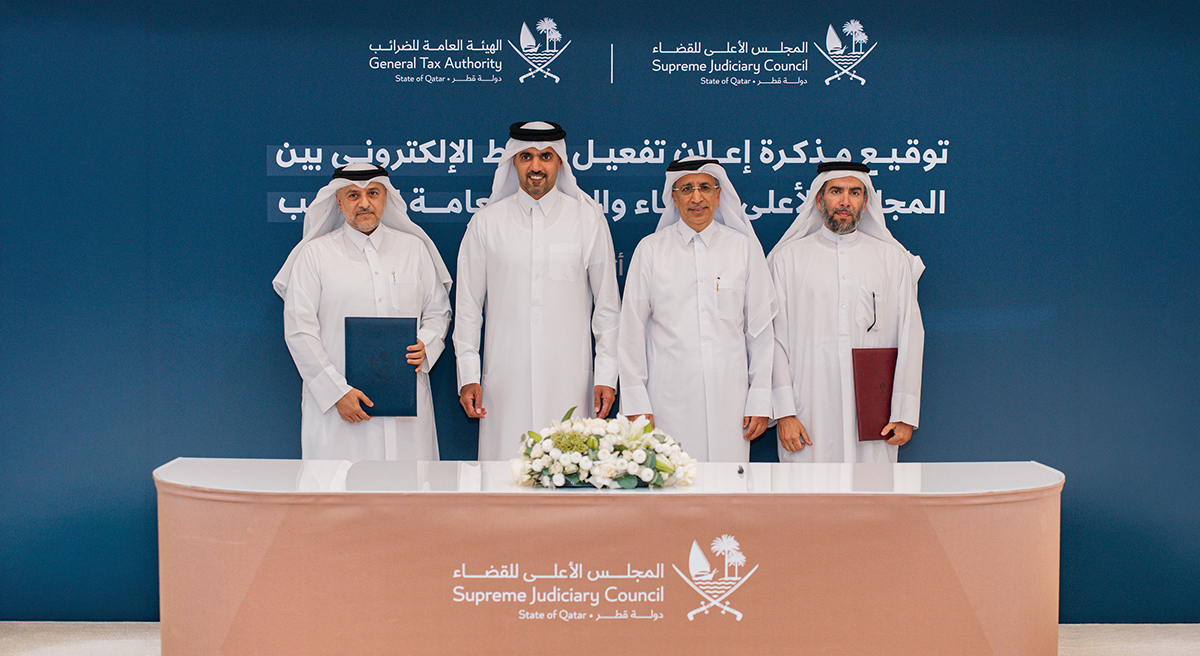
The Supreme Judicial Council and the General Tax Authority signed today, Tuesday, October 6, 2026, a memorandum aimed at strengthening institutional integration between the two entities and developing electronic connectivity procedures. The signing was attended by His Excellency Dr. Hassan bin Lahdan Al Hassan Al Muhannadi, President of the Supreme Judicial Council and President of the Court of Cassation, and His Excellency Mr. Khalifa bin Jassim Al Jaham Al Kuwari, President of the General Tax Authority. The Supreme Judicial Council was represented at the signing by His Excellency Judge Dr. Mohammed Imran Ali Al Kuwari, President of the Court of Appeal, while the General Tax Authority was represented by Mr. Ismail Mohammed Al Sayed Al Mansouri, Assistant President of the Authority for Support Services. The memorandum will contribute to enhancing procedural efficiency, expediting the completion of transactions, and supporting the work of judicial committees with joint jurisdiction, including the Tax Grievance Committee. It will also strengthen information exchange, support digital transformation efforts, and further develop the framework for joint operations. The memorandum also seeks to strengthen the partnership and coordination of efforts between the two entities, and to utilize electronic connectivity to improve workflows and enhance efficiency. This will support the achievement of their shared objectives and serve the public interest, in accordance with controls that ensure data quality and security while maintaining its confidentiality. Furthermore, the memorandum provides for expanding areas of cooperation in the future to include additional services and data as mutually agreed upon by both parties, keeping pace with technological developments and meeting the operational needs of both entities. The signing of the memorandum reaffirms the General Tax Authority’s commitment to strengthening cooperation with national institutions to support the digitization of services and the development of procedures, thereby contributing to greater efficiency in the services provided to taxpayers and improving their overall experience.
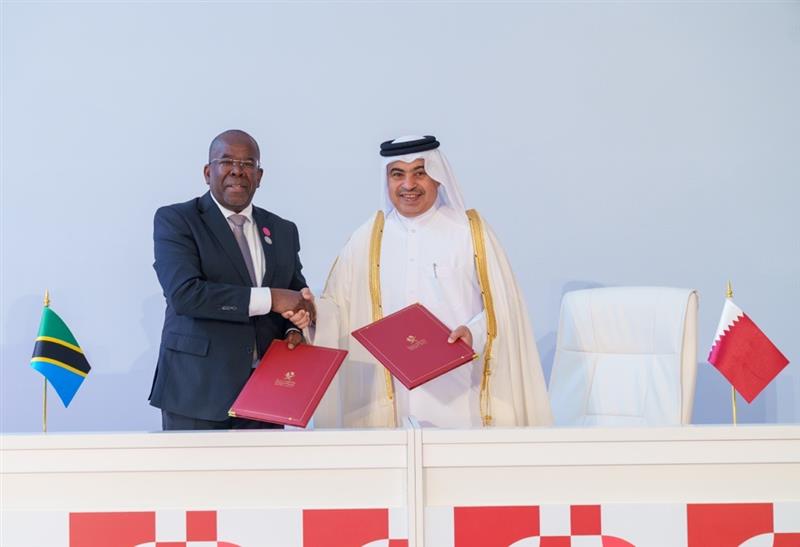
The State of Qatar, represented by the Ministry of Finance, and the United Republic of Tanzania, represented by the Ministry of Finance, have signed an Agreement for the Avoidance of Double Taxation with respect to Taxes on Income and the Prevention of Tax Evasion and Avoidance. The Agreement was signed by HE Mr Ali bin Ahmed Al Kuwari, Minister of Finance, on behalf of the Qatari side, and HE Mr Khamis Mussa Omar, Minister of Finance, on behalf of the Tanzanian side. The Agreement aims to establish a comprehensive legal framework governing tax and financial relations between the State of Qatar and the United Republic of Tanzania, avoiding double taxation and curbing tax evasion, thereby contributing to a fair and stable tax environment, enhancing transparency and the exchange of information between the competent authorities, supporting the movement of capital, trade and investment, and broadening the prospects for economic and financial cooperation in a manner that serves the shared interests of both countries.
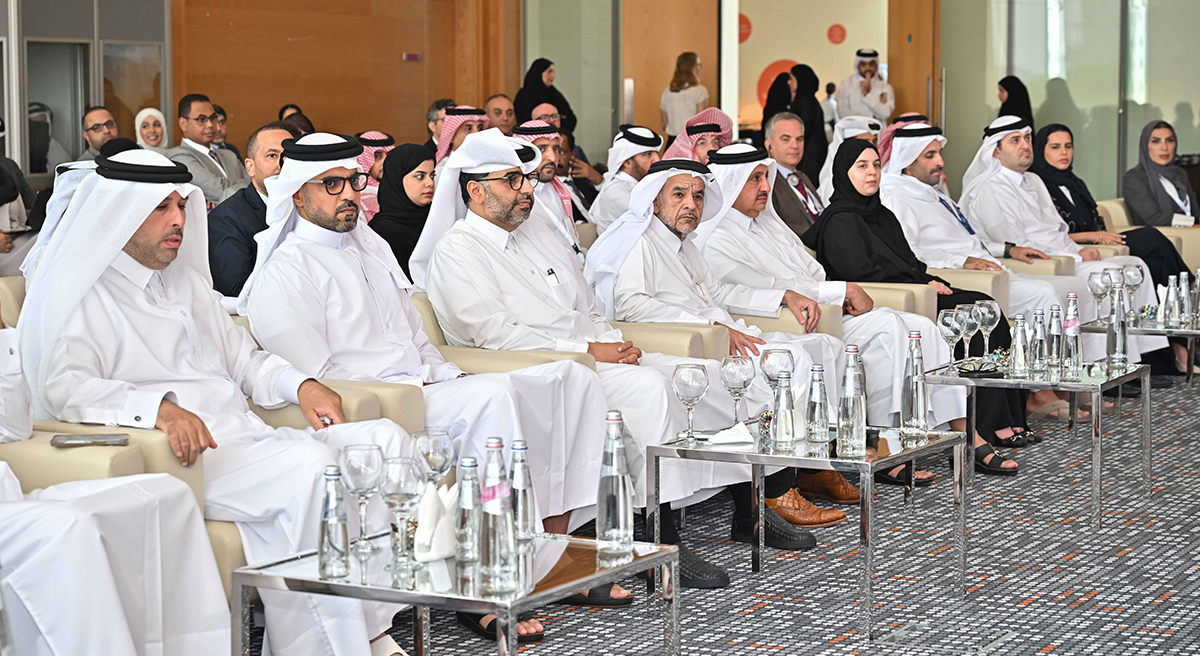
The General Tax Authority participated in the Fifth International Conference on Fiscal Policies and Economic Development in Qatar, organised by Qatar University in cooperation with the Authority, under the theme “Tax Transformation: Its Impact on Taxpayers and Tax Authorities”. The conference commenced today and will continue until 23 September 2026. It brings together a distinguished group of experts, researchers, representatives of international financial institutions, universities, government entities, and consultancy firms. His Excellency Mr Khalifa bin Jassim Al-Jaham Al-Kuwari, President of the General Tax Authority, delivered a keynote address during the opening session of the conference, in which he said: “The importance of this gathering stems from its role as a space for dialogue, where knowledge meets experience, and research meets practice; bringing together those who study policies, those who implement them, and those who are affected by their outcomes.” His Excellency continued: “For our part at the General Tax Authority, we focus on developing an efficient and reliable tax administration that facilitates procedures and develops digital services. We continue to develop capabilities and utilise data to support decision-making, and we view cooperation with Qatar University and research institutions as an important partnership in directing these efforts towards the priorities of the national economy and its needs.” The conference addressed tax transformation and the challenges facing taxpayers and tax authorities, as countries move towards strengthening the role of tax revenues in financing development. It discussed tax reform programmes, including the development of legislation and the modernisation of tax administration, with a focus on the requirements for restructuring tax systems in the Gulf Cooperation Council countries, as well as ways to enhance taxpayer compliance and improve the efficiency of tax administration. The Authority’s participation reflects its commitment to linking institutional practice with scientific research and benefiting from the exchange of expertise in developing the national tax system. Its cooperation with Qatar University also demonstrates the importance of partnerships between government entities and academic institutions in examining implementation challenges and developing solutions that respond to the needs of the Qatari economy and support sustainable development goals.
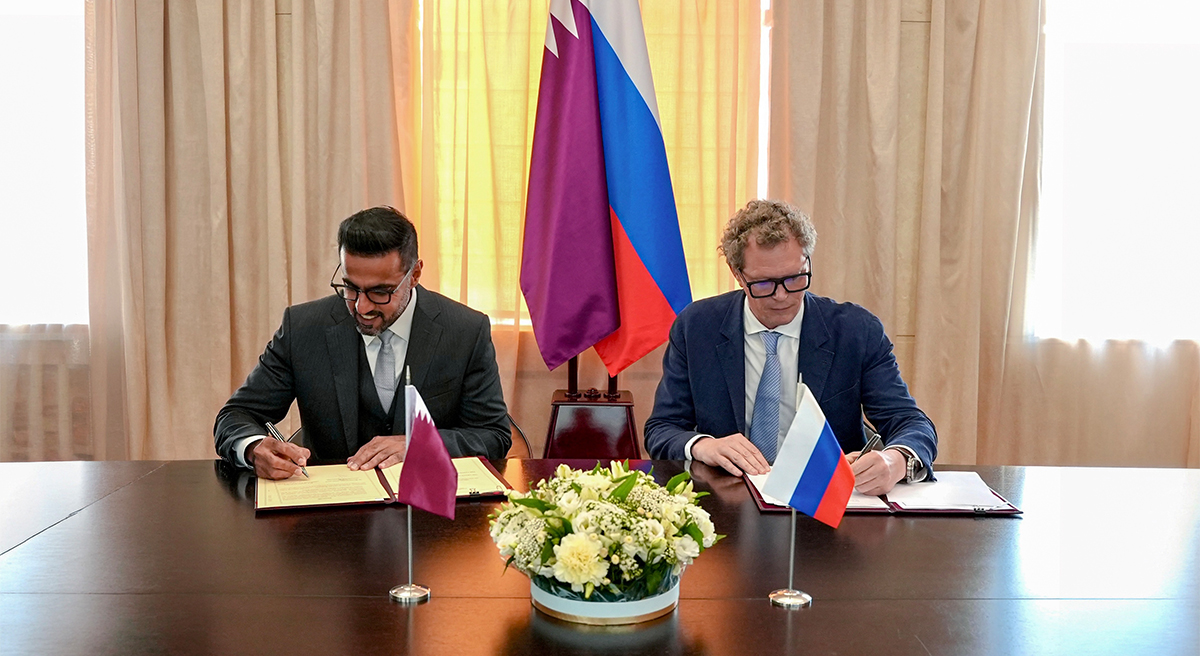
The State of Qatar and the Russian Federation signed a memorandum of understanding on technical cooperation in tax administration, aimed at exchanging expertise and knowledge and developing tax systems and practices in both countries. The MoU was signed on behalf of Qatar, by H.E. Mr. Khalifa bin Jassim Al-Jaham Al-Kuwari, President of the General Tax Authority, and on behalf of Russia by H.E. Daniil Egorov, Commissioner of the Federal Tax Service. The MoU covers several areas of mutual interest, including technological development and digital transformation strategies, developing of a taxpayer-centred tax administration model, strengthening tax compliance frameworks, and developing tax collection and debt management strategies. It also provides for the exchange of expertise on tax incentives and future tax policies. Cooperation also includes exchanging information and expertise; organising training programmes, seminars, working sessions and reciprocal visits; implementing joint initiatives and projects; and sharing technical expertise and developing staff skills. These efforts will contribute to strengthening institutional capabilities and enhancing tax administration efficiency in both countries. The signing of the MoU reflects the General Tax Authority’s commitment to expanding international cooperation and drawing on leading experiences and practices to further develop Qatar’s tax system, enhance its efficiency and ensure alignment with international standards.
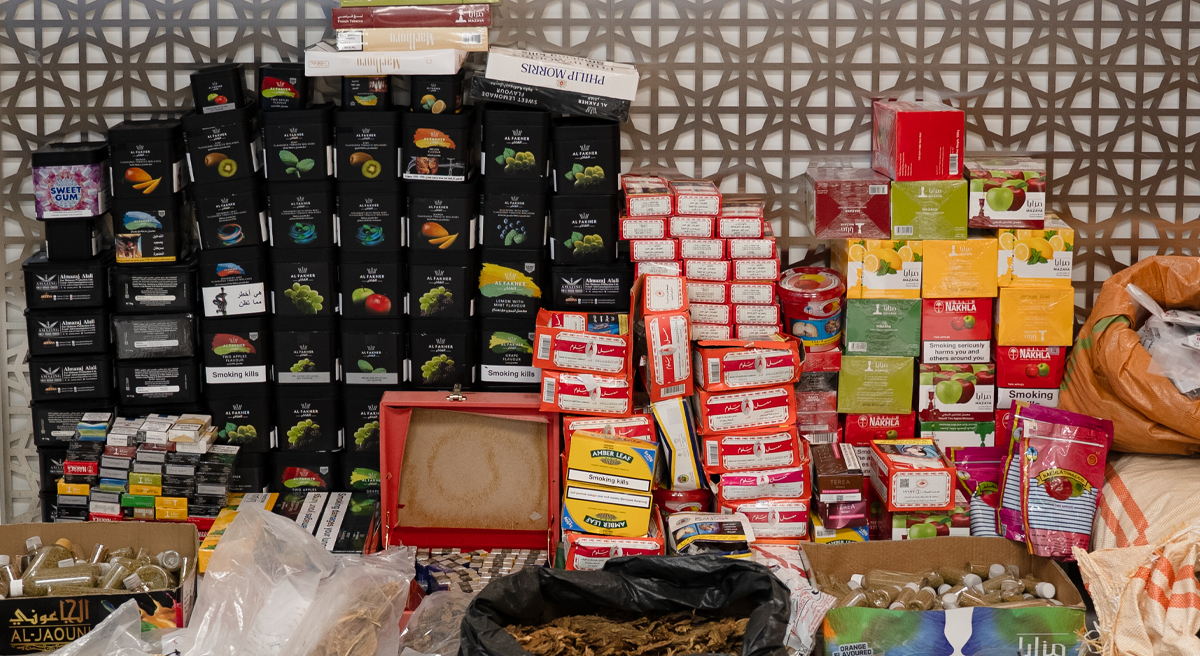
The General Tax Authority in cooperation with the relevant authorities, conducted an inspection campaign at a number of commercial establishments to verify their compliance with the Excise Tax Law and the regulations governing the circulation of excise goods. The campaign identified violations at several retail outlets, including the sale of tobacco products without approved tax stamps and excise goods not authorised for sale. More than 200 kilograms of tobacco products were seized and confiscated, while relevant licences, documents and records were also inspected. The GTA’s Anti-Tax Evasion team took the necessary measures against the non-compliant outlets and documented the violations to initiate the prescribed legal proceedings. Tax stamps are distinctive markings affixed to excise goods covered by the tax stamp system to confirm payment of the tax due and verify that the goods may be legally traded. Trading these goods without approved tax stamps is prohibited under the provisions and procedures set out in the applicable legislation. The GTA reaffirmed its commitment to continuing inspection campaigns, in cooperation and coordination with the relevant authorities, to strengthen market oversight and combat the illicit trade in excise goods, helping improve compliance with tax legislation and protect public health. The Authority also urged importers of cigarettes and other tobacco products to register on the “Dhareeba” platform under the excise goods track-and-trace system, noting that the import or circulation of any excise goods within the country is not permitted without valid and activated excise stamps, and comply with the relevant laws and executive regulations to avoid legal action.
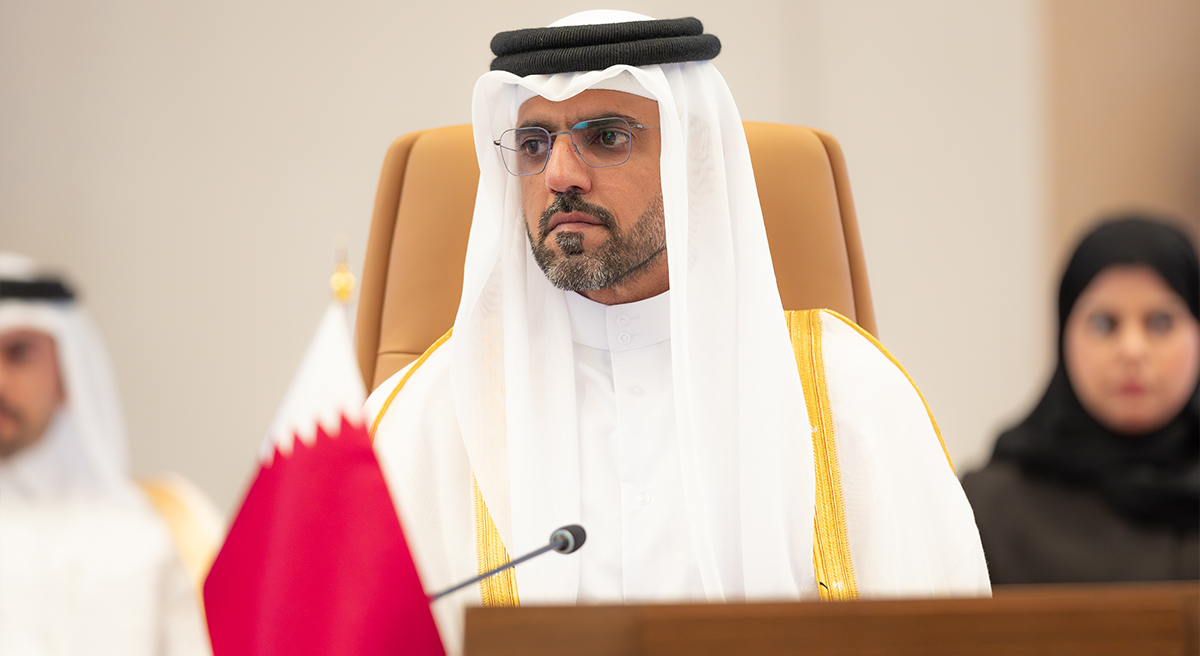
The General Tax Authority participated in the 17th Meeting of the Committee of Heads and Directors of Tax Administrations in the Gulf Cooperation Council (GCC) States, held in Kingdom of Bahrain, on 8 September 2026. The meeting brought together Their Excellencies, the heads and directors of tax administrations across the GCC. His Excellency Mr Khalifa bin Jassim Al-Jaham Al-Kuwari, President of the General Tax Authority, headed the State of Qatar’s delegation to the meeting. The meeting addressed a range of topics related to the development of tax systems across the GCC, including regulatory and legislative frameworks, as well as greater integration between electronic systems. Participants also reviewed key regional and international developments and relevant experiences, while discussing areas of coordination and shared interest among the Member States. Participants emphasised the importance of strengthening joint GCC action and continuing coordination in the tax field to support the development of tax policies, economic diversification programmes and sustainable development across the GCC States. They also highlighted the role of regular meetings in aligning efforts and strengthening institutional capabilities in support of the Member States’ shared economic objectives. The meeting forms part of ongoing efforts to strengthen cooperation and coordination among GCC tax authorities and administrations, enhance the efficiency of tax systems across the Member States, and align tax policies and procedures with global economic developments, while advancing GCC economic integration.





 Download Dhareeba app on your smart device now
 Call CenterOverseas



 Top of the Page



Thank you for subscribing to the newsletter